























The Best Mattress for Every Children's Bed Type: A Parent's Buying Guide
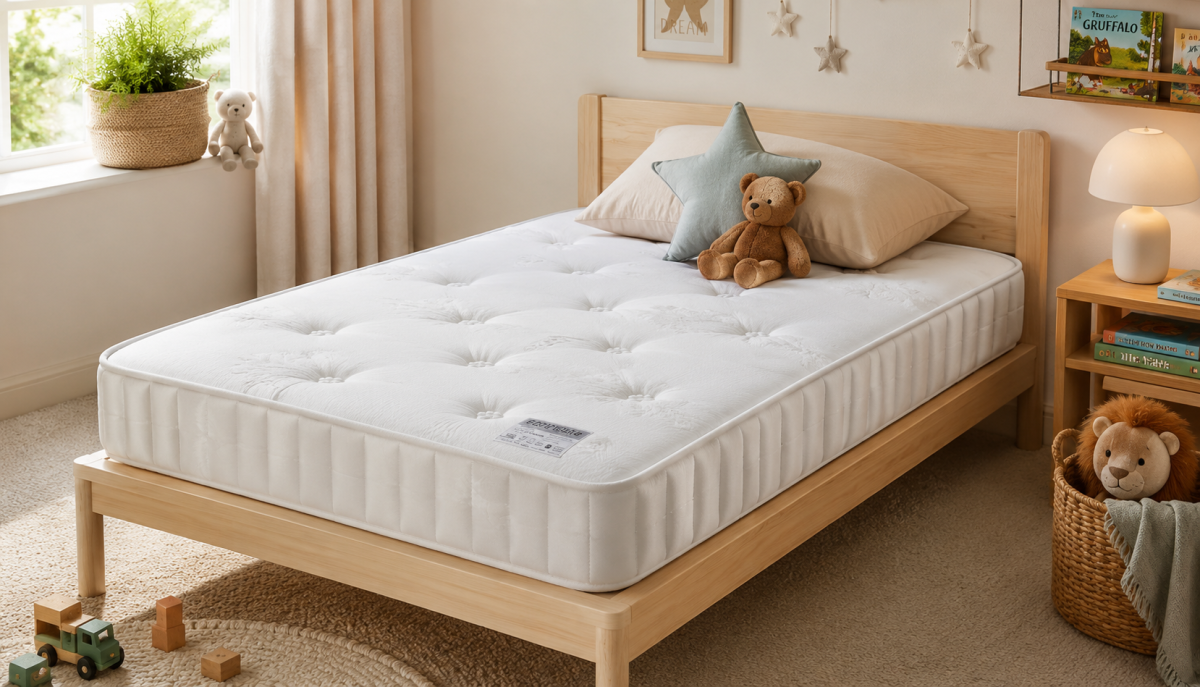
Choosing a new children's bed is the fun part. Whether your child wants a bunk bed, a cabin bed or a gaming high sleeper, there are plenty of designs to suit different ages, rooms and interests. What you might not realise is that choosing the right mattress is just as important as choosing the bed itself.
Not every kids mattress is suitable for every bed frame. Comfort and support are important, but you should always put safety first. Some children's beds have specific mattress depth requirements, particularly if you're shopping for elevated designs such as bunk beds, mid sleepers and high sleepers. If you select a mattress that's too deep, the effectiveness of the safety rails is reduced.
In this guide, we explain how you can choose the best mattress for different types of children's beds and what factors you should consider before you make a purchase.
Why does the mattress depth matter?
Many parents focus on mattress comfort, firmness and materials, but the depth of the mattress is just as important when you're choosing children's furniture. Beds with raised sleeping platforms have safety rails that help prevent falls during the night. The rails are manufactured with specific mattress depths in mind, so if the mattress sits too high, the safety rail no longer provides adequate protection. This is why it's important to check the manufacturer's recommended mattress depth before you purchase.
Choosing a mattress for bunk beds
Bunk beds are one of the most popular space-saving options. When you're selecting a mattress for your bunk bed, safety should be your primary consideration. The top bunk almost always has a maximum mattress depth recommendation. If you exceed this depth, there won't be enough rail height above the mattress surface.
Many bunk beds, mid sleepers and high sleepers have a maximum recommended mattress depth of around 15cm, although some models are designed to accommodate deeper mattresses. Make sure you always follow the manufacturer's guidance for the specific bed frame.
Choosing a mattress for mid sleeper beds
Mid sleepers offer an excellent balance between practicality and fun. They're higher than a standard bed but lower than a high sleeper, and they often include storage drawers, shelving or play spaces underneath. Because mid sleepers feature safety rails, the mattress depth is still an important factor you should consider. A mattress that is too deep will reduce the height of the protective barriers around the sleeping area.
Most mid sleeper beds are designed to work with standard children's mattresses that fall within specified depth ranges. A supportive medium-firm mattress is usually suitable for school-age children and provides good comfort while ensuring the bed remains safe to use. Always check the product details before ordering, as requirements vary between models.
Choosing a mattress for high sleeper beds
High sleepers maximise floor space by creating room underneath for desks, seating areas, storage units or gaming stations. Many modern designs combine sleeping, studying and entertainment into one compact solution. For example, gaming high sleepers often incorporate desk space, shelving and dedicated areas for screens and accessories beneath the sleeping platform.
Because the mattress sits at a greater height, safety requirements become even more important. Manufacturers specify maximum mattress depths that you must not exceed.
A mattress that is too thick can compromise the effectiveness of the safety rails. When you're shopping for a high sleeper mattress, always prioritise compatibility with the bed frame before considering additional comfort features. The safest approach is to follow the exact recommendations provided with the bed and choose a mattress designed to work within those limits.
Choosing a mattress for cabin beds
Cabin beds offer valuable storage without raising the sleeping surface as high as a mid sleeper or high sleeper. Many cabin beds include built-in drawers, shelving or cupboards, making them a practical option for smaller bedrooms. Because these beds sit closer to the floor, mattress depth restrictions are generally less stringent. This means you can focus more heavily on comfort, support and durability. Even so, checking manufacturer guidance remains important, particularly for cabin beds that include partial safety rails or raised sides.
Choosing a mattress for toddler beds
Toddler beds help children transition from a cot to their first proper bed. At this stage, safety and comfort should work together. A mattress for a toddler bed should fit snugly within the frame without leaving any gaps around the edges. The mattress should also provide a firm, supportive sleep surface suitable for younger children.
Many toddler beds include side panels or guard rails to help prevent falls. By choosing the correct mattress size, you're ensuring that these features remain effective. As children grow quickly, investing in a quality mattress helps provide lasting support throughout the toddler years.
Final thoughts
As we've seen, the best mattress for your child's bed depends on more than comfort alone. Different bed styles have different requirements, and understanding those requirements helps you keep your child safe at night.
Whether you're buying a bunk bed, mid sleeper, cabin bed, toddler bed or high sleeper, always check the recommended mattress specifications before making a purchase. By matching the mattress to the bed frame correctly, you can create a comfortable, supportive and safe sleeping space that works exactly as intended.