

























How to Create More Play Space in a Small Children's Bedroom
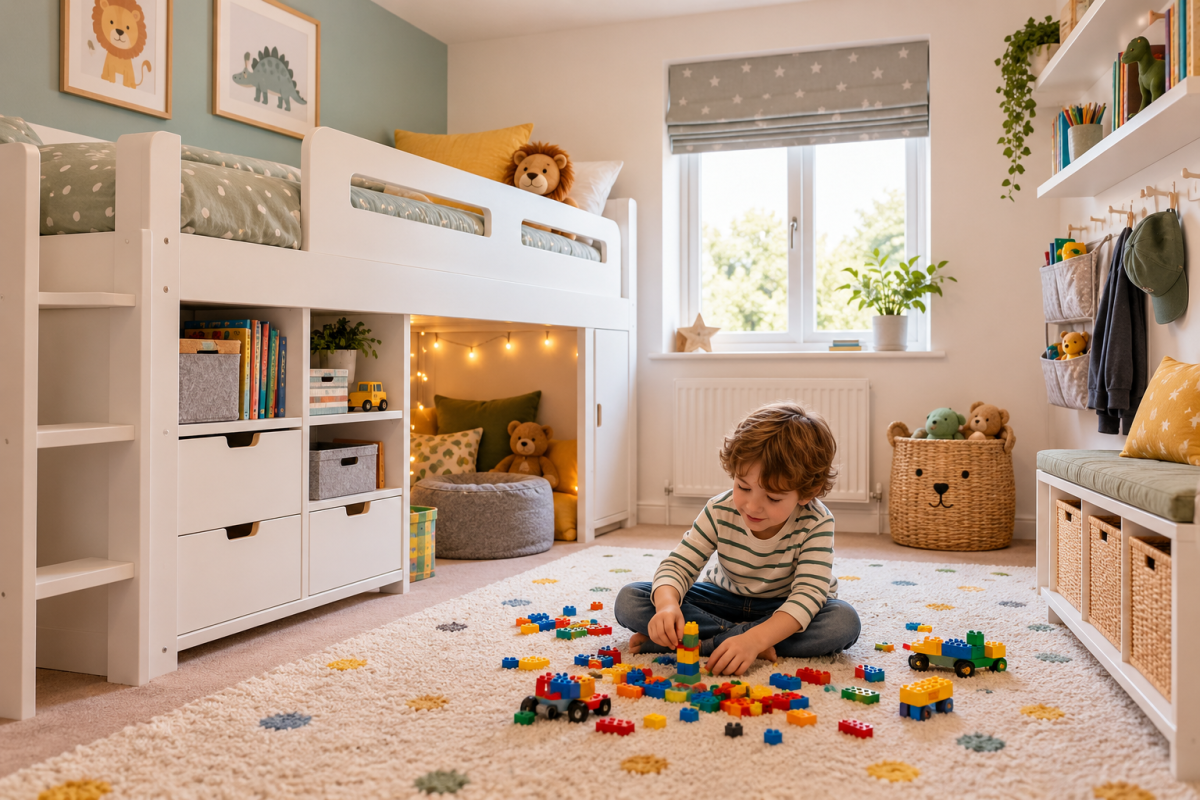
A small bedroom doesn't have to mean there's no room for your child to play. With the right furniture, a little organisation and some clever use of the space you already have, you can create a bedroom that works for sleeping, storing belongings and playing. At Children's Bed Shop, we know that floor space is particularly valuable in a child's room. Whether your child likes building with bricks, playing with dolls or simply spreading their toys out across the carpet, these ideas can help you give them more space to enjoy their bedroom.
Start With the Biggest Piece of Furniture
The bed will usually take up more floor space than anything else in your child's bedroom, so this is a sensible place to start. A standard single bed can dominate a small room, particularly once you add bedside tables, drawers and other furniture around it. Choosing a bed that does more than one job can immediately make the room feel less crowded. Cabin beds, mid sleepers and other space-saving children's beds can combine sleeping space with useful storage, leaving more of the room free for play.
Make Use of the Space Under the Bed
The area beneath a bed can easily become wasted space. Using it for storage means you can remove some of the boxes, baskets or small storage units that might otherwise sit on the floor. Underbed drawers are useful for clothes, bedding, toys, games and craft supplies. Storage boxes can work just as well, particularly if you choose ones that are easy for your child to pull out and put away themselves. For even more storage, consider a cabin bed with drawers, cupboards or shelving built underneath. Keeping storage within the footprint of the bed means you can gain valuable storage without sacrificing additional floor space.
Consider a Mid Sleeper
A mid sleeper raises the sleeping area above the floor, creating a useful space underneath while still keeping the bed at a manageable height. Depending on the design, the area below might contain drawers, shelves, a desk or open space. An open area can even become part of the play space itself. Younger children might turn it into a den, reading corner or home for their favourite toys. A mid sleeper can be particularly useful when you need the bedroom to serve several purposes but don't have room for separate pieces of furniture.
Think Vertically
When floor space is limited, look upwards. Walls can provide plenty of storage without making the room harder to move around. Shelves are an obvious option for books, small toys and decorative items. Wall-mounted storage pockets, hooks and pegboards can also keep everyday belongings within reach while freeing up surfaces and floors.
Try not to fill every wall from top to bottom, though. Leaving some clear areas prevents a small bedroom from feeling overly busy. Keep things your child uses regularly at an accessible height and use higher shelves for items that are needed less often.
Keep the Centre of the Room Clear
A clear area of floor can make even a compact bedroom much more useful for play. If possible, position the bed and storage furniture around the edges of the room rather than allowing pieces to creep into the centre. You may find that one larger piece of storage furniture works better than several smaller units. Five different boxes and cabinets can create awkward gaps and take up more usable space than one well-planned storage solution.
Look at the bedroom from your child's point of view too. Having enough open space for a train track, puzzle or play mat may be more valuable to them than squeezing in an extra chair or bedside cabinet.
Choose Furniture That Can Do More Than One Job
Multipurpose furniture is particularly valuable in a small children's bedroom. A desk built into a bed, a storage bench that doubles as seating or a bedside unit with useful drawers can reduce the number of individual pieces you need. Think ahead as well as considering what your child needs today. Furniture that can continue to be useful as they grow may save you from having to rethink the whole room a year or two later.
Don't Forget the Door and Corners
Small areas often get overlooked. The back of the bedroom door can hold hooks or an organiser for lightweight belongings, while a narrow corner might accommodate shelving that wouldn't fit anywhere else.
Before you buy anything new, measure the spaces carefully. In a small bedroom, a difference of only a few centimetres can affect whether furniture fits comfortably and whether doors and drawers can open properly.
Create a Bedroom With Room to Play
The best small children's bedrooms aren't necessarily the ones with the least furniture. They're the ones where the available space has been used carefully. By choosing a space-saving children's bed, making use of underbed storage, using walls effectively and keeping the central floor area as clear as possible, you can give your child more room without needing a bigger bedroom.
At Children's Bed Shop, we offer a wide range of children's beds designed to help families make practical use of their available space. Choosing the right bed can transform how a small bedroom works and leave your child with more room for the important business of playing.