

























Best Children's Beds for Small Bedrooms
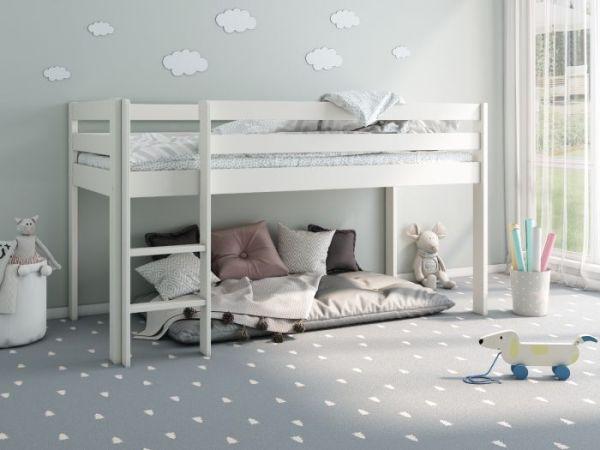
If you've ever tried fitting everything your child needs into a small bedroom, you'll know how hard it can be. Between toys, clothes, books and somewhere to sleep, even a tidy room can very quickly feel crowded. The good news is that you can make a massive difference with the right bed.
When we speak to parents, one of the main concerns is making a smaller bedroom feel practical while still giving children enough room to play, relax and sleep comfortably. Choosing the right type of children's bed is often the first step because it usually takes up the most space in the room.
Why Bed Choice Matters in Smaller Bedrooms
In a larger bedroom, you can often fit almost any bed style without having to consider the layout, but smaller rooms are different. Every bit of floor space matters, especially if your children use their bedroom for homework, storage and play as well as sleeping. You've probably experienced how difficult it can be to move around a room once bulky furniture is in place. That's why many parents now look for beds that do more than simply provide somewhere to sleep. Beds with built-in storage or raised beds help make your child's room feel more organised, and you don't need any extra furniture.
Mid Sleeper Beds Are One of the Most Popular Options
If your children are old enough for a raised sleeping area, a mid sleeper bed is one of the smartest choices for a smaller bedroom. These beds have the sleeping area higher up, creating space you can use underneath. We've got beds that include drawers, shelves, wardrobes or even a small desk. This means you don't need several separate pieces of furniture, and you can keep everything together in one compact space.
Cabin Beds Help Reduce Clutter
If your children seem to accumulate more toys, clothes and books every month, cabin beds can be especially useful in compact bedrooms. A cabin bed sits lower than a mid sleeper while still including built-in storage underneath or around the frame. You'll find drawers, cupboards, shelving and pull-out sections designed to help parents make better use of awkward spaces.
You've probably noticed that children's bedrooms can quickly become messy when there isn't enough storage available. Adding more freestanding furniture makes the room feel even smaller. Cabin beds help you solve that problem by combining storage with the sleeping area itself.
Bunk Beds Work Well for Shared Bedrooms
If your children share a smaller bedroom, floor space becomes even more important. Two separate single beds don't leave much room for anything else. That's why bunk beds continue to be one of the most practical choices for shared spaces. By stacking the sleeping areas vertically, you free up more usable floor space you can use for storage, desks or play. This makes the room feel far less cramped compared to trying to fit two standard beds side by side.
Many of our bunk beds also include added storage features such as drawers underneath or shelving built into the frame. Some designs even combine a bunk bed with wardrobes or study areas.
Storage Beds Can Make Everyday Organisation Easier
Sometimes the biggest issue in a small bedroom is not actually the bed itself; it's everything you need to store around it. Our storage beds are ideal for parents who want a simpler setup without needing to add bulky cupboards or extra drawers elsewhere in the room. Ottoman beds and beds with drawers all help you make the most of the space underneath the mattress. That area's often wasted in standard bed frames, even though there's room for things like bedding, toys, seasonal clothes or school items.
If your children currently have things piled in corners or under furniture, having dedicated built-in storage will help them keep their room tidy. Many parents prefer storage beds because they help reduce visual clutter. When things are properly stored away, even a small bedroom can feel calmer and more spacious.
Choosing the Right Bed Size
One mistake we often see is parents choosing a bed that's too big for the size of their child's room. While it's tempting to buy a bed your child can "grow into", oversized furniture can make small bedrooms difficult to use properly. Before choosing any bed, it helps to think about how your child actually uses the room each day. If your children need floor space for playing, reading or homework, it's a good idea to allow enough clear space around the bed.
It's also important to measure carefully. You need to allow enough room for drawers to open fully and for children to move around safely, especially with raised beds or bunk beds.
Think About Long-Term Practicality
Children's bedrooms change quickly over the years, and what works for your toddler won't suit your child when they're approaching their teens. That's why many parents look for beds that give them flexibility over time. Storage features, neutral finishes and practical layouts stay useful for longer
Whether you're looking at mid sleeper beds, cabin beds, bunk beds or storage beds, focusing on how the room functions for your family will help you identify the right option much faster.