

























Kids' Bedroom Trends in 2026
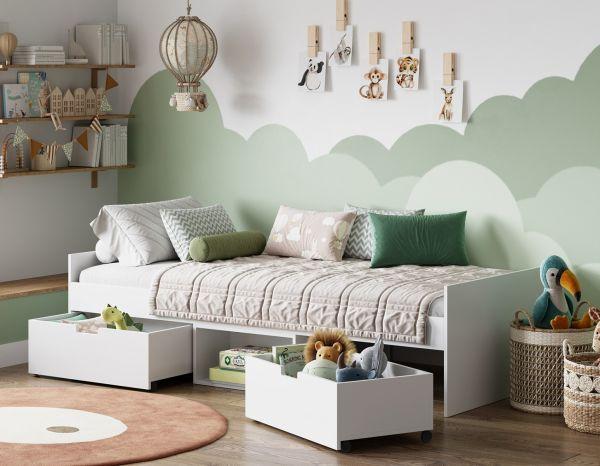
Designing a child's bedroom in 2026 is about much more than picking a bed and a colour scheme. We're seeing a clear shift towards spaces that grow with children, support better sleep, and make everyday life easier for families. At the same time, parents still want rooms that look good, feel calm, and offer practical storage.
Flexible furniture that grows with your child
One of the strongest trends for 2026 is furniture that adapts as children get older. Families are moving away from short-term solutions and instead choosing beds and storage that can work for several years. Adjustable bed frames, extendable beds, and modular furniture are becoming more popular because they reduce the need for frequent replacements.
This is especially noticeable in shared bedrooms, where layouts often need to change as children grow. Bunk beds with removable ladders or separable frames are being chosen not just for younger children, but also for teens who need flexibility. These designs make it easy to reconfigure a room without starting from scratch.
Calmer colour palettes with playful accents
Bright, bold colours aren't disappearing, but in 2026 they're being used more selectively. Parents are choosing calmer base colours such as soft greys, muted greens, warm neutrals, and pale blues. Personality is added through accessories rather than permanent fixtures. Wall decals, themed bedding, cushions, and rugs allow children to express their interests without locking the room into one look. This approach works particularly well when paired with simple bed frames or classic wooden finishes that can suit different styles as tastes change.
Storage-led layouts for tidier rooms
Storage continues to be a major focus in kids' bedrooms, and in 2026 it's influencing layout decisions more than ever. Parents want rooms that are easy to keep tidy, especially in smaller homes where space is limited. Built-in storage and multifunctional furniture are key to this trend.
Beds with drawers underneath, cabin beds with integrated shelving, and high sleepers that free up floor space are all popular choices. These designs make it easier to store toys, books, clothes, and school items. We're also seeing more interest in open shelving at child-friendly heights, helping children take part in keeping their space organised.
Zoning the bedroom for sleep, play, and study
As children spend more time in their bedrooms, especially as they get older, zoning is becoming a key design principle. Kids' bedrooms are being planned with clear areas for sleeping, playing, and studying, even in smaller rooms.
High sleepers and mid sleepers play a big role here, creating usable space underneath for desks, reading corners, or play zones. This layout helps children mentally separate rest from activity, which can support better sleep routines. Soft lighting, rugs, and furniture placement are used to define each zone rather than physical dividers.
Natural materials and simple finishes
There is a growing preference for natural materials in children's furniture, particularly wood and wood-effect finishes. Parents are looking for designs that feel solid, timeless, and easy to live with. Simple finishes are favoured over high-gloss or heavily themed designs, as they tend to age better and suit a wider range of interiors.
This trend also reflects a broader desire for furniture that feels less disposable. Solid frames, neutral tones, and classic shapes are seen as better long-term investments, especially for items like bed frames that form the centre of the room.
Beds designed for better sleep
Sleep quality is a bigger consideration than ever in 2026. Parents are paying closer attention to bed design, mattress support, and overall comfort. There is increasing interest in sturdy frames that reduce movement and noise, helping children settle more easily at night.
Raised beds are also being chosen with sleep in mind, with improved ladder designs, safer guard rails, and layouts that feel secure. The goal is to combine fun and functionality without compromising on rest.
Personalisation without permanent themes
Themed bedrooms are still popular, but the way they're done is changing. Instead of fully themed furniture, parents are choosing neutral beds and storage, then layering in themed elements that can be swapped out. This could include themed bedding, wall art, or soft furnishings. This approach makes it easier to update a room as interests change, whether that's moving on from dinosaurs, princesses, or space themes.
Shared bedrooms designed with fairness in mind
For siblings sharing a room, fairness and personal space are key themes this year. Matching bed frames, mirrored layouts, and clearly defined storage areas help reduce friction and give each child a sense of ownership over their space.
Bunk beds remain a popular solution, but we're also seeing more L-shaped and corner configurations that make better use of floor space. These layouts allow shared rooms to feel less crowded while still offering individual zones for each child.
Looking ahead
Kids' bedroom trends in 2026 are all about balance. Parents want rooms that support sleep, learning, and play, while still being practical and easy to update. Flexible furniture, smart storage, and calming design choices are shaping how children's spaces are planned.
By focusing on adaptable beds, thoughtful layouts, and timeless finishes, it's possible to create a bedroom that works now and continues to work as children grow. These trends reflect a move towards long-term thinking, making kids' bedrooms more functional, comfortable, and enjoyable for the whole family.